Retaining Walls on the Sunshine Coast: Design, Approvals, Materials, and Long-Term Performance
Retaining walls are a common feature across the Sunshine Coast, but their role is often underestimated or undervalued. While they can look like a simple landscaping addition, a retaining wall is a structure with a specific purpose. It manages levels, supports soil, and controls water movement on your property.
That’s all pretty important stuff. No wonder you need the right design, drainage, and council approval, so you can have long-term performance from your retaining wall. Retaining wall regulations in Queensland are there to ensure any wall that you build is not just safe, but compliant, and fit for their location. When you understand these basics early on in the process, it helps you choose the right retaining wall and avoid costly issues later.
So read on for a thorough introduction to retaining walls. how they work, when approval may be required, and what to consider when you plan a retaining wall on your property.
Why Retaining Walls Are More Than Just a Landscaping Feature
It’s easy to think of retaining walls as decorative, but their real value lies in what they do behind the scenes. Retaining walls can help stabilise soil, manage changes in height, and make difficult sites usable.
Structural purpose vs visual appeal
The primary purpose of a retaining wall is structural. Walls are built to hold back soil and resist the pressure behind the wall, particularly on sloping land. While you should always prioritise best function, you also want function and aesthetic appeal of your landscape and retaining walls to go hand in hand, In short, visual appeal should always follow sound retaining wall design.
When walls are poorly designed or constructed without considering loads and drainage, walls can fail and cause damage to surrounding areas.
Common reasons properties need a retaining wall
On the Sunshine Coast, retaining walls are commonly used to:
- create level areas on sloping blocks
- support garden beds and landscaped zones
- manage runoff and reduce erosion
- integrate landscaping with decks, paths, and driveways
In many cases, walls are essential to make outdoor spaces functional and safe.
Understanding Levels, Retaining Wall Drainage, and Soil Conditions
Before you decide on the type of retaining wall to build, it’s important you understand what’s happening below ground. Soil conditions, water flow, and site levels all influence how a retaining wall should be designed and constructed.
Why drainage is critical to retaining wall performance
Drainage is one of the most important considerations for retaining wall construction. Water builds pressure behind the wall, and without proper drainage systems, that pressure can exceed the capacity of the retaining structure (which leads to a failed wall).
Proper drainage typically involves managing water behind the wall so it can escape safely. This reduces stress on the wall itself. Retaining walls reduce the risk of movement only when water is controlled effectively.
Local soil and rainfall considerations
Sunshine Coast soil types and heavy rainfall place additional demands on retaining walls. Clay soils, for example, expand when wet and increase pressure behind the wall. This is why retaining wall design must account for local conditions rather than relying on generic solutions.
Retaining Wall Design QLD: Key Considerations for Sunshine Coast Sites
Good retaining wall design is about more than choosing materials. The height of the wall, where it’s placed, and what it supports all influence whether a wall will perform over time.
Wall height, loads, and placement
Wall height is a key factor in determining design requirements. As the height of the wall increases, so do the forces acting on it. Walls over 800mm, or a wall over 600mm in certain locations, may be required to meet stricter retaining wall regulations.
Placement also matters. Walls built near boundaries, buildings, or driveways often require additional design and, in some cases, council approval or engineering input.
Integrating retaining walls with landscaping and structures
Retaining walls work best when planned as part of a broader landscape and construction approach. When walls are integrated with decking, garden beds, or paths, they provide structural support while contributing to a cohesive outdoor design.
This integrated planning often reduces the number of walls required and improves long-term outcomes.
Council Approval and Retaining Wall Regulations in Queensland
Council approval is one of the most common points of confusion when people plan to build a retaining wall. Whether approval is required depends on several factors, including wall height, location, and function.
When council approval may be required
Local council requirements vary, but approval may be required when:
- a retaining wall is built close to a boundary
- the wall supports additional loads
- walls are higher than certain thresholds
- the wall affects drainage or your neighbours’ properties
Local council planning schemes and building codes and standards guide these decisions.
When you need engineering
Engineering is often required for retaining walls that are higher, support structures, or are built on challenging sites. Retaining wall requirements are designed to ensure safety and stability, not to overcomplicate projects.
A retaining wall builder with local experience (such as Greener Landscaping) can advise early on if you’re likely to need council approval or engineering.
Types of Retaining Walls Used in Coastal QLD
There are different types of retaining walls, each suited to specific conditions. What you choose depends on site constraints, design goals, and long-term performance needs.
Timber retaining walls
Timber walls, including timber sleeper and sleeper retaining walls, are commonly used for smaller applications. Timber walls use treated materials and can suit certain budgets, but lifespan depends heavily on drainage and installation quality.
Concrete and masonry retaining walls
Concrete sleeper retaining walls, cantilever walls, and gravity walls are often used where strength and durability are priorities. Concrete sleeper retaining offers consistency and longevity, particularly for higher walls.
Other retaining wall systems
Depending on site requirements, other retaining structures may be used, such as:
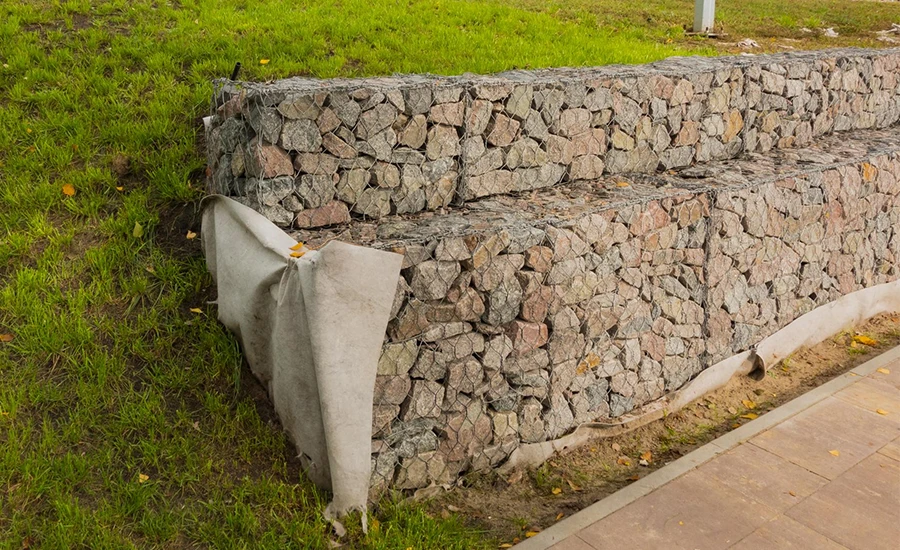
- gabion walls (gabion walls consist of wire cages filled with stone)
- crib walls
- reinforced soil walls
- sheet pile walls and bored pile walls
Each wall system serves a different purpose and must be selected carefully.
Planning for Longevity and Performance
A retaining wall project should focus on how the wall performs over decades, not just how it looks once built. Remember, always start with function first. Retaining walls that are designed properly are far less likely to require repairs or replacement.
Lifespan and maintenance considerations
The best retaining wall is one that balances durability with maintenance expectations. Timber walls may need more attention over time, while concrete or reinforced systems typically offer longer service life with less upkeep.
Understanding these trade-offs helps ensure your retaining wall will perform as intended and give you years of service.
Why Professional Design and Construction Matters
When it comes to building a retaining wall, professional design and construction reduce risk. Retaining walls are structural elements, and walls must be built to handle the loads placed on them.
Avoiding failure and rework
No constructed structure has an infinite lifespan and so you have to be aware of what might reduce the life of your wall, or create need for maintenance. Walls can fail when drainage is inadequate, materials are unsuitable, or retaining wall regulations are ignored. Proper design and construction help ensure the retaining wall you build conforms to rules and regs and performs safely and reliably into the future.
Get it right the first time
Do it right, and enjoy how it looks and what it does for you for decades. A retaining wall that is designed and constructed correctly:
- supports the surrounding landscape
- complies with council requirements
- manages pressure behind the wall
- integrates seamlessly with outdoor spaces
To create a retaining wall solution and be confident it will deliver long-term value and peace of mind, you need to call an expert… someone with the runs on the board and knows the local requirements and conditions. Call us (Greener Landscaping) on 07 4120 7807 and we’ll give you the right advice… and build it right, the first time.